

In the first phase of the 2025 Bihar assembly elections, turnout hit 42.3% by 1 pm. Election Commission of India rejects Indian National Congress’s “faulty EVM” claim.
Highlights
- By 1 pm in the first phase of the Bihar assembly elections, voter turnout across 121 constituencies stood at approximately 42.3%.
- Among the 18 districts voting today, Gopalganj registered the highest turnout at 46.73%, followed by Lakhisarai at 46.37% and Begusarai at 46.02%.
- In contrast, the state capital Patna recorded one of the lowest turnouts, around 37.72%.
- Voting began at 7 am and will continue till 6 pm (in some booths till 5 pm) for this phase.
🗳️ What’s Driving the Numbers?
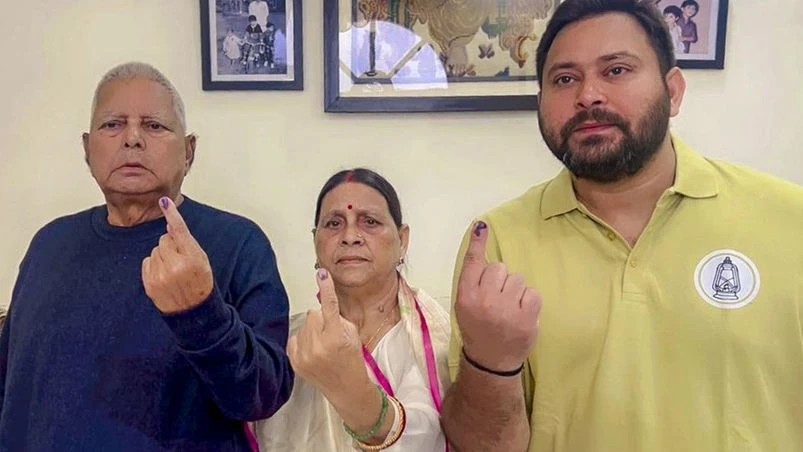
High Momentum in Rural Areas:
Long queues were seen in many rural booths from early morning, indicating strong enthusiasm among village voters.
Urban Slowdown:
Urban districts—particularly Patna—are seeing slower turnout, suggesting either voter apathy, logistical delays, or a distribution of polling incentives that favours rural segments.
New Voters & Booth-Level Arrangements:
About 10.72 lakh first‑time electors are enrolled and operative in this phase, adding to the scale of this election. The Election Commission of India (EC) has deployed additional resources—like model polling stations, women‑managed booths and accessible arrangements for persons with disabilities—to handle this large-scale exercise.
🔍 EVM & Credibility Controversy
- The Indian National Congress has alleged “faulty EVMs” (electronic voting machines) and raised concerns over electoral integrity ahead of and during voting.
- The Election Commission categorically refuted these claims, stating that only a very few machine‑related issues were reported and promptly attended to.
- Notably, the first‑level checking (FLC) of EVMs and VVPATs across the state was completed earlier, with defects identified and cleared in advance.
- While the EC emphasizes the polls as part of a “clean and transparent process”, opposition parties are underscoring deeper concerns—such as voter list revision, booth‑level anomalies, and earlier roll‑clean‑up exercises.
🧭 What to Watch for Now
- Afternoon surge: The turnout at 1 pm is a mid‑day snapshot. Historically, the biggest jump often occurs between 3 pm–5 pm as working voters return. Whether Bihar sees a surge or taper‑off will matter.
- Booth‑wise trends: Some constituencies may close gaps if rural enthusiasm holds, while urban centres might lag further unless last‑hour turnout picks up.
- Complaint resolution & reporting: Monitor whether any EVM glitches, booth‑level logistic issues, or voter‑denial complaints (especially in urban booths) surface in the afternoon and how quickly they are handled.
- Impact on Outcome: Though the final count is days away, turnout patterns often hint at which party base is more mobilised. A strong rural push may favour parties with strong local networks, while an urban slump could affect outreach‑heavy campaigns.
- Credibility Watch: With the Congress’s allegation in play and the EC’s counter‑narrative, the post‑poll discourse will revolve around how many genuine complaints were registered, how many resolved, and whether the process is widely perceived as free and fair.
✅ What This Means
The early turnout figure of ~42% by 1 pm is a healthy start, showing considerable voter engagement especially in rural and semi‑rural pockets. This is a positive sign for democratic participation in Bihar’s crucial 2025 election. The low turnout in urban centres signals room for improvement and may influence campaign strategies for phase‑2 constituencies. The EC’s timely rebuttal of faulty‑EVM claims helps reinforce the trust threshold, but sustaining transparency through the full day and beyond remains key.

