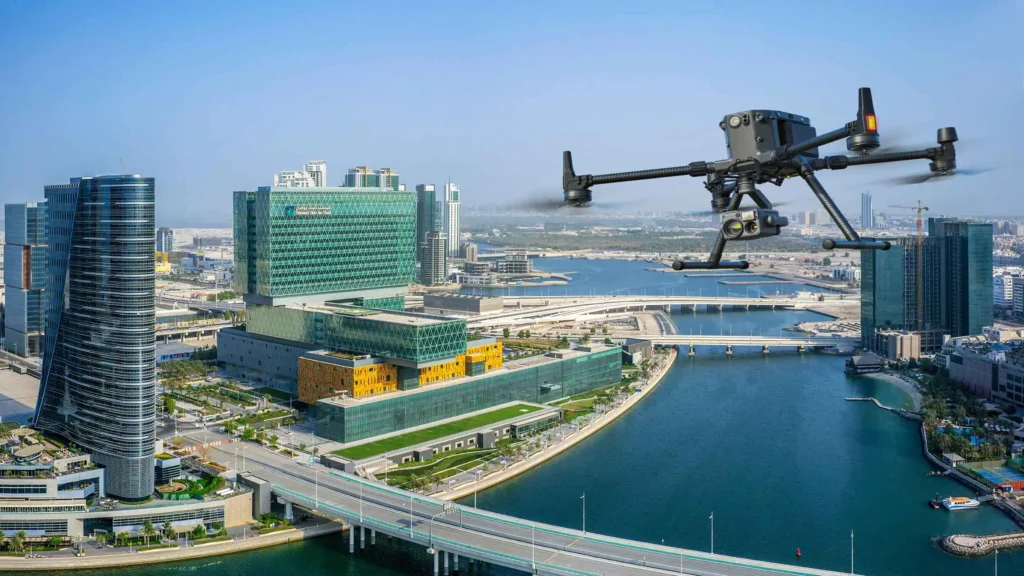
Andhra Pradesh to Build India’s First Drone & Space Cities
During the 30th CII Partnership Summit (14–15 Nov 2025) held in Visakhapatnam, Andhra Pradesh’s Chief Minister N. Chandrababu Naidu and Union Commerce Minister Piyush Goyal jointly laid the foundation for India’s first Drone City and twin Space Cities. The Times of India
What the Projects Are About
- The Drone City will be developed on 300 acres in Orvakal, Kurnool, and will include manufacturing parks, testing facilities, certification hubs, and training for 25,000 remote pilots. The Times of India
- The Twin Space Cities are planned in the Sri Sathya Sai and Tirupati districts, focusing on satellite manufacturing, component production, launch logistics, and startup incubation. The Times of India
- The government projects a ₹25,000 crore investment for the space city initiative, with a goal to create around 35,000 jobs in the next decade. The Times of India
- For Drone City, the job creation target is 40,000 roles, backed by incentives like a 20% capital subsidy and 100% SGST exemption. The Times of India
- These projects are part of Andhra Pradesh’s broader Swarnandhra 2047 Vision, which also includes plans for a Quantum Valley and a Green Hydrogen Valley. The Times of India
Why This Matters
- Technological Leap: Developing drone and space infrastructure positions Andhra Pradesh at the cutting edge of aerospace innovation in India.
- Job Creation: These are large-scale projects — tens of thousands of jobs will be generated, especially in high-skill domains.
- Strategic Vision: The integration of quantum technology, green hydrogen, drones, and space aligns with AP’s long-term vision for future-ready industrial development.
- Global Competitiveness: By building such advanced infrastructure, the state may attract global aerospace and space firms, boosting investment and collaboration.
Challenges & Risks
- Funding & Execution: While the scale is ambitious, implementing these projects over 300+ acre sites and generating promised jobs will require sustained capital and policy follow-through.
- Regulatory Hurdles: Aerospace and space infrastructure involve strict regulatory compliance — licencing, safety norms, and IP concerns could pose challenges.
- Skilling: Training 25,000 drone pilots is a big ask — building the right education ecosystem and partnerships will be critical.
- Long-Term Viability: Whether these projects will produce sustainable returns or remain as symbolic infrastructure depends on commercial adoption and global partnerships.
What to Watch Going Forward
- MoU & Partner Details: Which companies have committed to these cities, and what are their project timelines?
- Land & Infrastructure Development: Tracking how quickly the land is developed, and facilities are built.
- Pilot Training Programs: Progress on setting up remote pilot training institutions, certifications, and job placements.
- Space Industry Growth: How satellite manufacturing, launch logistics, or related startups evolve in these space cities.
- Policy Support: Whether the state continues to offer subsidies, tax breaks and infrastructure support to make these projects viable.
Take-Away for Savanka News Readers
- For tech & startup readers: This is a major bet on future tech — space, drones, quantum.
- For economy-news followers: Job creation is huge, and these projects could reshape AP’s industrial profile.
- For travel & innovation geeks: These cities could become hubs of innovation worth visiting in the future.
View other news on Savanka News.