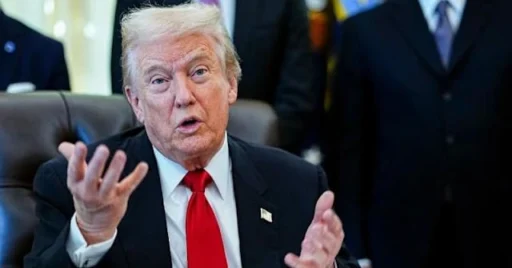
The British Broadcasting Corporation (BBC) has issued a formal apology to former U.S. President Donald Trump for using an edited and misleading version of his January 6, 2021 speech in a documentary episode. However, the broadcaster has made it clear that while the edit was an error of judgment, it will not pay any compensation and rejects Trump’s claim of defamation.
The controversy has quickly become one of the most talked-about media stories of the week, drawing reactions from political leaders, journalists, and legal experts across the UK and the United States.
Why the BBC Apologised
According to reports, the BBC edited Trump’s 2021 speech in a way that combined two separate statements spoken almost an hour apart.
The edited clip made it appear as though Trump directly urged supporters to “fight like hell” and march to the Capitol with him — a sequence that did not occur in that order.
The broadcaster admitted that this could create a misleading impression.
BBC Chair Samir Shah sent a personal apology to the White House, stating the edit “did not meet BBC editorial standards”.
The documentary featuring the clip will not be broadcast again.
Why the BBC Refuses to Pay Compensation
Despite apologising, the BBC has firmly rejected Trump’s demand for damages. Trump’s lawyers reportedly sought up to $1 billion in compensation and threatened legal action.
The BBC argues:
- There is no legal basis for a defamation claim.
- The programme was not broadcast in the U.S. (it was geo-blocked).
- The edit was a mistake, not malicious intent.
- Trump cannot show measurable harm, especially after winning the 2024 election.
- UK defamation law has strict requirements that are not satisfied here.
The BBC insists that an apology is sufficient and standard practice for editorial errors.
Trump’s Response
Donald Trump’s team claims the edit damaged his reputation and fuelled misinformation about his role in the January 6 events.
His lawyers have indicated that they may still pursue legal action in the UK or explore other international legal routes.
The former president has used the apology as an opportunity to renew criticism of mainstream media, saying the episode proves “media corruption and bias”.
Political and Media Reactions
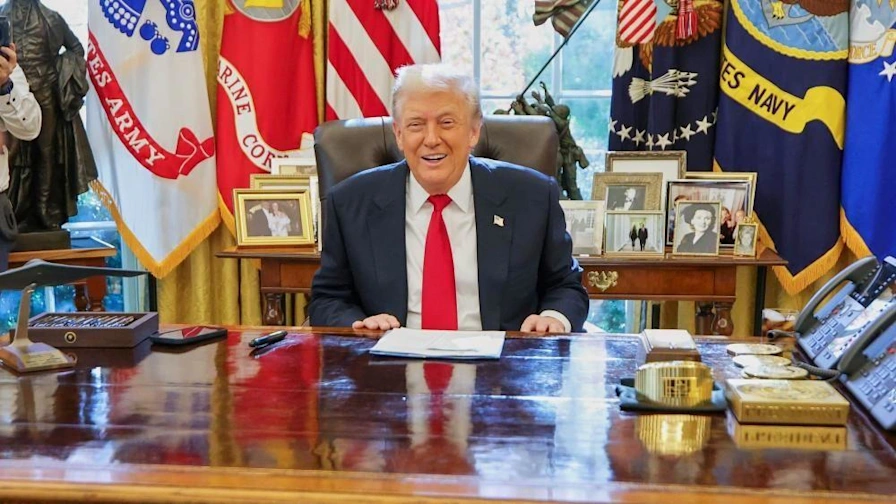
The situation has caused significant debate:
- Supporters of Trump see the edit as evidence of long-standing media bias.
- Media professionals argue the BBC acted appropriately by admitting the error.
- UK ministers defended the BBC’s integrity but stressed the need for stricter editorial checks.
- Legal analysts point out the difficulty Trump would face bringing a viable case in UK courts.
The incident has also triggered internal reviews at the BBC regarding documentary editing guidelines.
What This Means for Media Accountability
The BBC’s apology highlights how influential broadcasters must exercise extreme caution, especially when handling politically sensitive material.
Even an unintentional edit can spark international controversy, legal threats, and massive reputational risk.
For Trump, the episode reinforces his longstanding narrative about “fake news” and strengthens his base’s belief that media institutions target him unfairly.
For global media organisations, this serves as a warning: editorial lapses can have global consequences.
While the BBC has acknowledged its mistake and apologised directly to Donald Trump, the broadcaster’s refusal to pay compensation sets the stage for a possible legal battle.
The controversy underscores the fragile relationship between politics and media — and the importance of accuracy in journalism.