

1. Batting collapse at the top
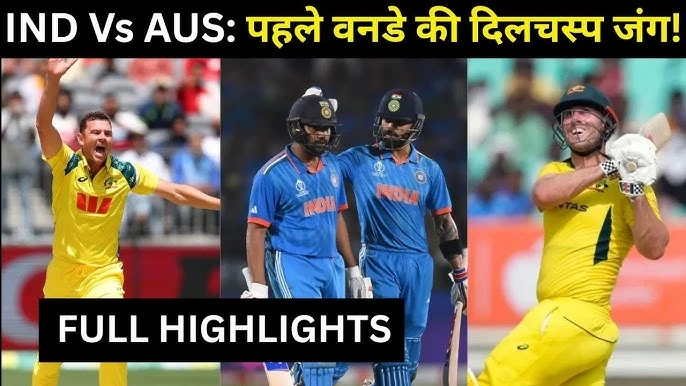
- India were sent in to bat and made 136 for 9 in 26 overs in the rain-shortened game.
- The big names failed: Rohit Sharma (8), Virat Kohli (0) and skipper Shubman Gill (10) all perished cheaply.
- India lost early wickets in the PowerPlay (for example 25/3 inside 8 overs) which immediately put them on the back foot.
- The frequent rain-interruptions also played a role: the game started as 50 overs but due to stoppages it was reduced to 26 overs.
- While interruptions are a factor, the core problem remains: India’s top-order didn’t apply themselves, and the middle/lower order had too much to do under pressure.
2. Ineffective bowling effort given the target
- With a modest (in the context) target of 131 (via DLS) in ~21 overs for Australia, India’s bowlers were under pressure from the get-go.
- Australia’s chase was fairly comfortable (131/3 in 21.1 overs) despite the target being revised downward.
- The bowlers got little to defend: given the batting failure, the margin for error was very small. Reports noted the bowling was “out-done in every department”.
- A specific example: The pace attack exploited the bounce and movement early, giving India no soft start.
3. Loss of momentum + conditions
- Rain-interruptions harmed India’s rhythm. The batting was affected by multiple breaks and changing match conditions (overs lost, etc). Former opener Aakash Chopra remarked that the DLS revision was “an injustice” to India.
- The venue (Optus Stadium, Perth) offered bounce and movement, which Australia exploited; India’s batters seemed to struggle with the early movement.
- The momentum was clearly with Australia — they looked more settled, and India did not seize the start. As one report put it: “hosts dominate start-stop opener … key batsmen Rohit and Kohli struggled.”
4. Strategic selection and balance concerns
- India’s balance was under scrutiny. The absence of a high-impact all-rounder (like Hardik Pandya) was noted.
- The batting line-up looked heavy but lacked the execution. The bowling unit had to carry extra burden but got little help from the top order.
- The toss: India batting first, bowlers might have preferred chasing; unclear if that was the optimum decision given conditions. (While Australia chose to bowl)
Summary
In short: India’s opener and top-order batting failure, combined with unfavourable conditions and an under-delivering bowling unit (given the low total) led to a comprehensive defeat. The match didn’t just go wrong—it unravelled early and didn’t give India a foothold.