A Historic Overhaul of Labour Laws
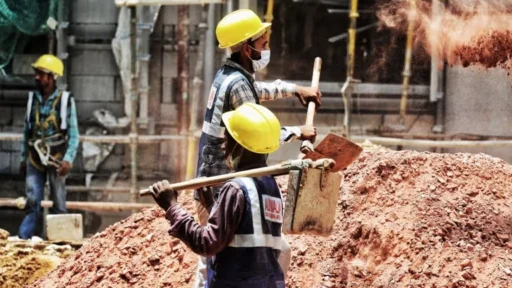
On 21 November 2025, the Government of India implemented four comprehensive Labour Codes, consolidating 29 existing labour laws into a modern framework. The Economic Times+2EY+2
The four codes are:
- Code on Wages (2019) EY+1
- Industrial Relations Code (2020) India Today
- Code on Social Security (2020) Business Standard
- Occupational Safety, Health & Working Conditions Code (2020) EY
What’s Changing for Workers and Employers
- Gratuity eligibility: Fixed-term employees will now be eligible for gratuity after just 1 year, vs the previous requirement of 5 years. Hindustan Times
- Minimum wage: A national minimum wage floor will apply more broadly, standardising wages across sectors. The Economic Times+1
- Social security: Gig and platform workers are now formally recognised under the codes and will have access to social security benefits. The Economic Times
- Working hours flexibility: Daily work hours could stretch up to 12 hours (within a 48-hour week), with overtime paid at double the regular rate. Reuters+1
- Women’s rights: Women can now work night shifts, subject to safety provisions. India Today
- Safety & health: The new OSH (Occupational Safety & Health) Code requires safer workplace conditions.
Reactions & Implications
- PM Modi welcomed the reform, calling it “one of the most comprehensive and progressive labour-oriented reforms since Independence.” www.ndtv.com
- Trade unions, however, are strongly opposed. Ten major unions have condemned the change and plan nationwide protests. Reuters
- Industry leaders have praised the reforms for simplifying compliance and boosting flexibility. The Economic Times
- According to experts, while the reforms bring many protections, they also give companies more flexibility in hiring and layoffs. Reuters
Why This Matters
- Modernising labour laws: This reform is being called the largest revamp of India’s labour regime in decades, aligning it with the realities of gig work, contract labor, and a rapidly formalising economy. The Economic Times+1
- Economic impact: Easier compliance could help businesses scale; better worker protections may boost productivity and morale.
- Social safety: With gig workers under formal labour protection and social security, this could improve financial security for a large, previously unprotected workforce.
- Potential unrest: Union backlash and protests could challenge the smooth implementation of these codes.
Read more at: Savanka News