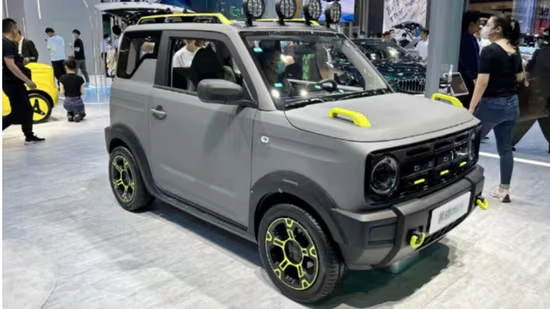
As India’s cities swell and traffic jams worsen, a new kind of vehicle is quietly gaining ground — the micro-electric vehicle (micro-EV). These compact, battery-powered rides are not just another automotive trend — they may well redefine urban mobility in the coming decade.
🚗 Why Micro-EVs Matter
- Size fits the city: Narrow lanes, limited parking, congested streets — micro-EVs are built for this.
- Lower cost, lower entry barrier: With fewer materials and smaller batteries, they cost less to build and maintain.
- Eco-friendly: Zero tailpipe emissions, smaller batteries means lower embodied energy. Good for India’s air quality goals.
- Convenience & agility: Easy to manoeuvre, park, and charge compared to full-size EVs.
- Changing consumer mindset: Urban Indians increasingly favour “right-sized” transport rather than large cars.
🔍 Top Models to Watch
- Tata Nano EV (future version) — A micro-EV reimagined from the classic Nano, expected to be India’s affordable EV entry.
- Mahindra Treo Yaari — A three-wheeled electric micro-vehicle already gaining traction as a shared-mobility option.
- Bajaj Qute (Electric Variant) — Quadricycle that could evolve into micro-EV category due to size and cost.
- Emerging startups are building sub-₹5 lakh EVs (ex-showroom) for dense city use.
🧭 What’s Driving The Uptake?
- Rising fuel costs pushing drivers to look for cheaper alternatives.
- Government subsidies and policies favouring EV adoption and smaller vehicles.
- Urban policies: congestion charges, low-emission zones encouraging smaller EVs.
- Shared-mobility & last-mile delivery boom — micro-EVs ideal for fleets.
- Battery tech improvements making even small EVs viable for 100–150 km city range.
⚠️ Challenges To Overcome
- Charging infrastructure: even micro-EVs need reliable urban chargers.
- Safety and regulation: micro-EVs may face different crash-safety standards.
- Resale and market perception: from “cheap car” stigma to “modern smart EV”.
- Battery cost & lifespan: even a small battery needs to be cost-effective and durable.
- Policies: Need consistent government support — subsidies, parking benefits, charging norms.
🔮 What the Future Looks Like
By 2030, micro-EVs could be a third or more of new-car sales in dense Indian metros. Imagine: smart city lanes dedicated to micro-EVs, battery-swap stations every few blocks, cheap ownership for young drivers, and a drastic drop in inner-city emissions.
For consumers: you might hear someone say, “Why buy a full-size SUV for city errands when a smart, nimble micro-EV does the job for half the cost?”
Micro-EVs may not grab headlines like hype-beast hypercars, but they could prove to be among the most impactful mobility innovations for Indian cities. Small size, smart tech, green footprint — together they add up to big change.
If you like, I can pull latest micro-EV models for 2025–26 with specs and pricing in India (including startups). Would you like that?