
On 19 November 2025, Poland announced decisive diplomatic retaliation following a weekend explosion on a key railway line — closing its last Russian consulate, located in Gdańsk. The consulate closure is just the latest move in a mounting confrontation between Warsaw and Moscow, as Poland accuses Russia of directing sabotage operations on its territory. Reuters+2Anadolu Ajansı+2
What Happened: The Sabotage Incident
Polish authorities say two explosions damaged a section of the Warsaw–Lublin line, a railway stretch of high strategic importance. RBC Ukraine+2The War Zone+2 The first blast, according to Prime Minister Donald Tusk, was caused by a military-grade explosive device placed beneath a freight train; the second incident involved the placement of a heavy metal clamp on the tracks, apparently to force a derailment. The Moscow Times+2The War Zone+2
No casualties were reported, but the risk was very real: Polish officials have warned that these acts could have led to a catastrophic train accident if executed flawlessly. The Guardian
Who Did It — Suspicions and Accusations
Poland has identified two Ukrainian citizens as the primary suspects. According to Prime Minister Tusk, both allegedly worked in coordination with Russian intelligence services and had a history of sabotage. The Moscow Times One of them was reportedly convicted earlier in Ukraine for sabotage. The Moscow Times+1 After the incidents, the two fled to Belarus, raising red flags about geopolitical backing. The Moscow Times
Polish security services claim that “everything indicates” these were not isolated actors — rather, they were “proxies” working under Russia’s direction. ABC The use of such proxy agents has been part of what Warsaw describes as a broader “hybrid warfare” campaign targeting critical European infrastructure. The War Zone+2The Moscow Times+2
Strategic Implications & Wider Risks
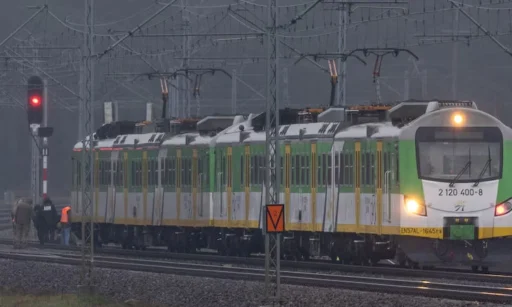
The targeted railway line connects to Ukraine and is used to transport aid and military equipment, making it a vital logistical artery. The New Indian Express Attackers appeared to aim not just to damage infrastructure, but to destabilize confidence in Poland’s ability to protect critical transport routes. The War Zone+1
The Polish government has responded by stepping up security. Defense Minister Władysław Kosiniak-Kamysz stated that the Polish army will inspect a 120-kilometer stretch of the railway line toward the Ukrainian border. RBC Ukraine+1 This is part of a broader escalation in alert, as Poland accuses Moscow of waging a “shadow war” across Europe. The War Zone+1
Diplomatic Fallout
In a strongly worded press conference, Polish Foreign Minister Radosław Sikorski labeled the sabotage as an act of “state terror.” Anadolu Ajansı+1 He emphasized that closing the Gdańsk consulate is not the full extent of Warsaw’s response: further measures are expected. Anadolu Ajansı
Sikorski also announced that he would formally request the extradition of the suspects from Belarus. Anadolu Ajansı On a broader level, he urged EU partners to restrict the movement of Russian diplomats within the Schengen zone, warning that Moscow’s activities threaten not just Poland but the integrity of the entire bloc. Reuters
Russia, for its part, strongly denied the accusations. The Kremlin responded by accusing Poland of “Russophobia” and indicated it may retaliate diplomatically by reducing Poland’s presence in Russia. The New Indian Express
Context & Broader Pattern
Poland’s allegations come amid a growing wave of sabotage, arson, and cyberattacks across Europe that many attribute to Russian intelligence services. The Guardian+1 These are seen not just as isolated attacks but as part of a broader hybrid war strategy meant to undermine European stability. The War Zone
Polish intelligence services have reportedly raised the national threat level, particularly for infrastructure, and are prioritizing the protection of routes that are critical for aid to Ukraine. The War Zone+1
Way Forward
Poland is likely to continue ramping up its defensive posture. The request for extradition from Belarus, if fulfilled, would be a major victory for Warsaw. The EU’s response—particularly whether member states agree to tighten diplomatic restrictions on Russian diplomats—is being watched closely, as it could mark a significant escalation in collective European pressure on Moscow.
At the same time, Moscow’s denial and threat of retaliation raise the risk of further diplomatic tit-for-tat. If other EU countries support Poland’s call to restrict diplomatic movement, it could intensify tensions not just bilaterally but across the bloc.
Watch other updates at Savanka News