

What’s expected
- According to multiple reports, India are looking to revisit their playing combination ahead of the 2nd ODI, with possible inclusion of Kuldeep Yadav and Yashasvi Jaiswal.
- The squad for India has been listed (for 2nd ODI) as: Shubman Gill (c), Rohit Sharma, Virat Kohli, Shreyas Iyer, KL Rahul (wk), Axar Patel, Washington Sundar, Nitish Kumar Reddy, Mohammed Siraj, Harshit Rana, Arshdeep Singh, Dhruv Jurel (wk), Yashasvi Jaiswal, Kuldeep Yadav, Prasidh Krishna.
- It’s reported that there is “every chance” India play the same eleven, but there is serious consideration of change.
Key change-candidates & rationale
- Kuldeep Yadav in: As an attacking wrist-spinner he offers variation; after the top-order collapse India may want more wicket-taking risk. Reports suggest he might replace Harshit Rana or alter the balance.
- Yashasvi Jaiswal in: Given India’s batting failure, bringing fresh blood (Jaiswal) could bolster the top/middle order. He may replace Nitish Kumar Reddy or Washington Sundar in the batting line-up.
- Balance reassessment: With Hardik Pandya missing, India’s all-round depth is weaker. The team management may tweak the batting-bowling mix to strengthen one department.
- Senior players under pressure: With Rohit and Kohli failing in the first game, their spots might be slightly under scrutiny (especially with Jaiswal in the mix) though it’s unlikely they’ll be dropped immediately.
Predicted Playing XI (based on reports)
- Rohit Sharma, Shubman Gill (c), Virat Kohli, Shreyas Iyer, KL Rahul (wk), Axar Patel, Washington Sundar / Nitish Kumar Reddy, Kuldeep Yadav, Mohammed Siraj, Arshdeep Singh, Harshit Rana.
- If Jaiswal comes in, possibly: Rohit, Gill, Jaiswal, Kohli, Iyer, Rahul, Axar, Sundar/Reddy, Kuldeep, Siraj, Arshdeep.
Things to watch for
- Whether India go with five bowlers + five batters or retain the previous mix; spin-pace ratio may change given Adelaide conditions (more batting friendly but still edges & bounce)
- Whether the openers remain Rohit + Gill, or Jaiswal gets a look (either at starting spot or impact sub) given Rohit’s form.
- How much faith is shown in Kuldeep, and whether Washington Sundar’s role is reduced or re-structured.
- The bench strength: India have Dhruv Jurel, Prasidh Krishna also in squad; possible “future-readiness” moves.
Why These Changes Matter – & What They Signal
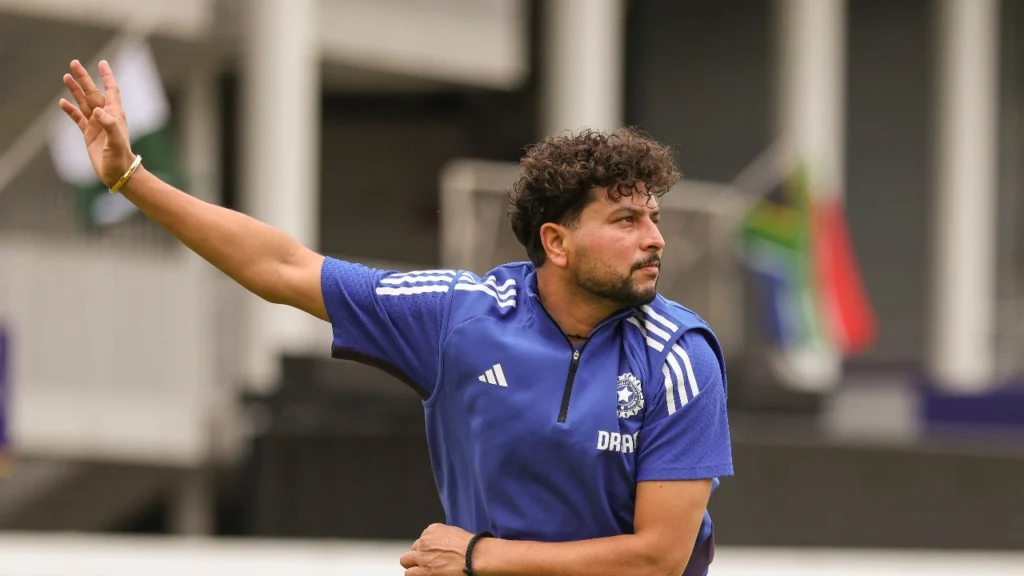
- The first defeat signals that India’s current combination lacks execution under pressure in foreign conditions. The changes show the team wants to right the balance and inject fresh energy.
- Bringing in Kuldeep hints at India wanting attacking options rather than purely containment.
- Including Jaiswal signals future planning (while still classy names are present) and reward for form.
- The senior batters (Rohit & Kohli) are under a microscope: the management needs them to contribute; extended failure may lead to deeper changes.
- The bowling unit must deliver: the second match will test whether India’s bowlers can defend under pressure, especially after a low first-innings total.
What India Will Need to Fix – Key Focus Areas
- Solid start in batting: No panic early. If India can get through the PowerPlay with 40–50 runs and 0–1 wicket down, they’ll be in the game.
- Adapt to conditions quickly: Adelaide Oval is more batting-friendly but still offers pace and bounce early. Indian batters must be alert. Reports say spinners may get less help here.
- Bowling discipline: With a better batting surface, the margin for error shrinks. The bowlers must hit good lengths, execute plans, and pick early wickets.
- Balance & flexibility: The team must be ready to adapt – if the plan isn’t working, be willing to back up small for big (i.e., build partnerships rather than go for huge).
- Mental resolve: After a bad start to the series, the mindset matters. Seniors must lead, youngsters must back up.
The 1st ODI was a wake-up call for India. The defeat wasn’t just about conditions or rain– it was about not being ready to deal with what the match offered. For the 2nd ODI, India appear ready to adjust personnel, adjust strategy, and send a message. If the changes pay off, India can bounce back. If not, the series may slip away quickly.