
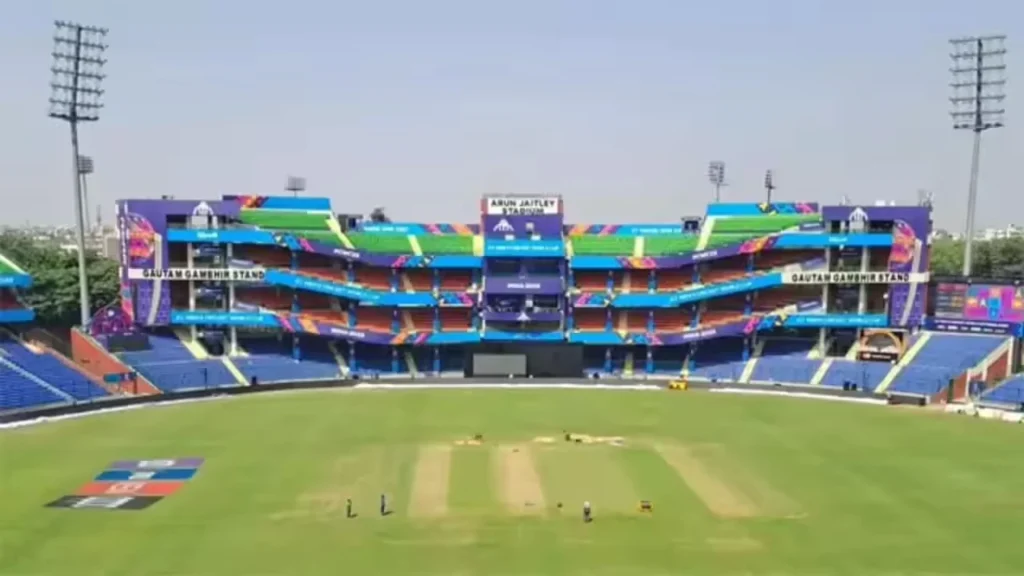
In a decisive and somewhat controversial move, the Board of Control for Cricket in India (BCCI) has relocated the first Test of the India vs South Africa 2025–26 series from New Delhi’s Arun Jaitley Stadium to Eden Gardens in Kolkata. India Today+2The Times of India+2
Why the Shift Happened
The primary reason for the relocation? Severe air pollution in Delhi, especially during November. Previous years have shown that the city’s air quality can reach hazardous levels, raising legitimate concerns about athlete health. India Today+1
While some had questioned the BCCI’s initial decision to host a Test in Delhi during this period, BCCI Secretary Devajit Saikia defended the earlier plan — saying that “pollution issue doesn’t happen every year.” India Today
However, in light of rising health risk data and stakeholder consultations, the board chose to act. According to sources, BCCI reviewed long-term pollution trends and prioritized a venue where players could perform without compromising their well-being. The Times of India+1
Implications of the Venue Change
- Player Safety Takes Center Stage: This is a strong public signal from BCCI that environment and health are non-negotiable factors in scheduling.
- Kolkata Steps Up: Eden Gardens, one of India’s most iconic cricket stadiums, will now host the marquee Test, giving it renewed spotlight.
- Loss for Delhi Fans: Cricket lovers in the capital lose out on a high-profile Test match, at least this time.
- Strategic Calendar Management: The shift also shows BCCI’s flexibility and willingness to adapt its long-term schedule based on non-sporting parameters.
Broader Context
This isn’t just a match rescheduling — it reflects a growing challenge for sports globally: climate and pollution risk. As environmental concerns mount, sports boards will increasingly have to account for them in their planning. For cricket in India, where cities like Delhi face chronic air-quality alarms, such decisions may become more common.
Moreover, this move could spark wider discussions:
- Will other boards rethink matches in polluted cities?
- Will future cricket calendars factor in “safe months” for historically vulnerable venues?
- Could we see long-term venue reshuffles to protect players and staff from environmental harm?
What to Watch Next
- Will BCCI formally address this as a climate-driven priority and create a “pollution-safe venues” list?
- How will other high-pollution Indian cities (if any) be treated in future seasons?
- Will this affect the frequency and distribution of international matches across India?
- Can Eden Gardens leverage this moment to build its case as a premier Test venue more regularly?
For more breaking stories and updates, watch other posts at Savanka News.